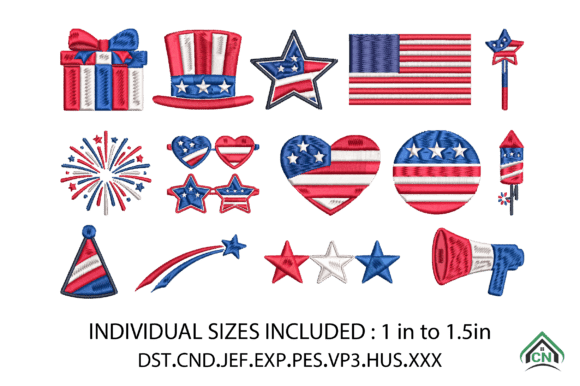
4th of July Embroidery X 15 Designs Review
As a professional embroidery digitizer and product reviewer, I approach every new bundle with a critical eye. When evaluating the 4th of July Embroidery X 15 Designs collection, my primary concern is not just how festive the artwork looks on a screen, but how it translates into physical stitches on fabric. For fellow Etsy sellers, apparel decorators, and makers preparing for the Independence Day rush, having a versatile library of patriotic assets is essential. This review breaks down the practical application of this specific machine embroidery design bundle, focusing on stitch integrity, commercial viability, and real-world project planning.
First Impressions: Visual Personality and Stitch Logic
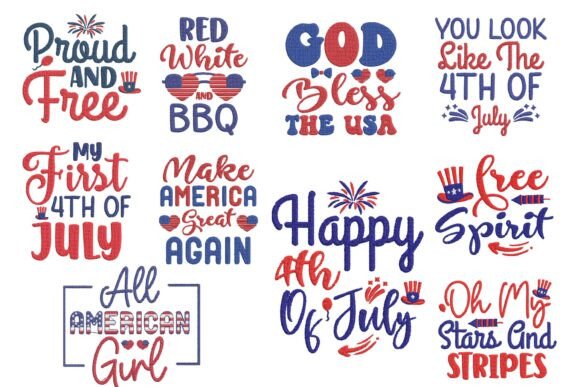
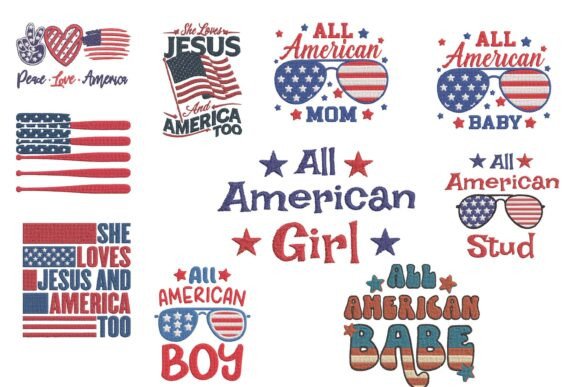
Upon loading the digital embroidery file set into my software, the immediate impression is one of balanced variety. A bundle of fifteen unique designs suggests a comprehensive toolkit rather than a single novelty item. Visually, these designs capture the "fun and festive" mood promised in the description without veering into overly complex territory that often causes registration issues on home machines. The aesthetic leans toward classic Americana, which is crucial for broad market appeal. Whether you are creating custom apparel or home décor, the visual personality here feels timeless rather than trendy, ensuring your finished product remains relevant beyond a single holiday season.
From a technical standpoint, the layout of these designs appears optimized for standard hoop sizes. The shapes utilize space efficiently, avoiding excessive jump stitches that require tedious trimming. For a craft business owner, time is money; a design that stitches out cleanly with minimal manual intervention directly impacts your profit margin. The mix likely includes both fill stitch areas for bold impact and running stitch details for texture, providing necessary contrast that makes the embroidery pop against various fabric textures.
Real-World Application: Stitching a Custom Tote Bag
To truly evaluate this collection, I mentally applied it to a high-demand summer item: a natural canvas tote bag. Totes are a staple for small shop products and make excellent personalized gifts for beach trips or July 4th picnics. Canvas is a forgiving fabric, but it requires proper stabilizer to prevent puckering around dense satin stitch elements.
In this scenario, I selected a design from the bundle featuring a patriotic motif suitable for center-chest or bag-center placement. The key to success here was testing thread colors against the unbleached canvas. Red, white, and blue can sometimes look harsh on natural fibers if the thread sheen is too high. I recommend using matte or rayon threads with lower luster for a more sophisticated handmade product feel. During the stitch-out simulation, the design’s density seemed appropriate for canvas; it provided enough coverage to be opaque without becoming bulletproof or distorting the bag's drape. This balance is what separates professional commercial embroidery from amateur hobby work. Customers trust a product that feels as good as it looks, and this bundle supports that level of quality.
Best Use Cases for Apparel and Home Décor
The versatility of the 4th of July Embroidery X 15 Designs bundle shines when applied across different substrates. Based on the design descriptions and typical Independence Day trends, here is where these assets perform best:
- Sweatshirt Embroidery: Fleece and french terry fabrics have pile that can swallow fine details. These designs appear robust enough to sit on top of textured knits without getting lost. They are ideal for boutique branding or seasonal crewnecks.
- Baby Embroidery: For onesies and bibs, safety and comfort are paramount. The bundle likely includes smaller, less dense variations perfect for delicate cotton interlock. Always ensure the back of the embroidery is smooth or covered to protect sensitive skin.
- Kitchen Towels and Aprons: Holiday embroidery on linens is a massive seller. These designs work beautifully as tea towels or hostess gifts. The stitch structure should handle frequent washing well, provided you use high-quality polyester thread for colorfastness.
- Embroidered Patches: If you create merchandise for caps or backpacks, several designs in this set could serve as standalone patches. Using a water-soluble stabilizer and heavy topping will yield crisp edges suitable for heat-sealing or sewing onto curved surfaces.
Navigating Technical Challenges and Fabric Limitations
While this collection is versatile, experienced makers know that no design is universal. There are specific scenarios where you must exercise caution to maintain professionalism and avoid wasted materials.
Stretchy Performance Fabrics: If you plan to use these on moisture-wicking athletic wear, be wary of dense fill stitch areas. High stitch density on stretch fabric leads to tunneling and restricted movement. You may need to edit the embroidery file to reduce density or add an underlay specifically designed for knits before stitching.
Dark Fabrics and Contrast: White satin stitches on navy blue fabric can sometimes show the bobbin thread or fabric grain beneath. When working with dark backgrounds, verify that the design includes adequate underlay or consider adding a white base layer to ensure vibrant color payoff. Test on scrap fabric first to confirm opacity.
Small Hoop Sizes and Tiny Lettering: While the bundle offers variety, resizing designs down for baby clothes or hat fronts requires scrutiny. Satin stitches thinner than 1mm risk breaking needles or unraveling. If a design contains intricate text or thin borders, do not shrink it below its intended minimum size. Instead, look for the simpler icons within the 15-design set for small-scale projects.
Curved Surfaces: Caps present unique hooping challenges. Ensure the design is digitized for curved surfaces or has been tested on a cap frame. Flat designs stitched on hats often distort at the top and bottom edges due to the cylinder shape.
Commercial Value and Business Strategy
For Etsy sellers and creative entrepreneurs, the value of this bundle extends beyond the stitches. Having 15 distinct options allows for cohesive collection building. You can create matching sets—such as a mom-and-me shirt combo or a coordinated table runner and napkin set—which increases average order value. The "fun and festive" nature of these designs also lends itself well to printable mockups. High-quality digital previews showing the embroidery on realistic blanks help bridge the gap between digital asset and tangible product, boosting buyer engagement and conversion rates.
Furthermore, offering personalized gifts becomes easier with a diverse library. You can mix and match elements from the 4th of July Embroidery X 15 Designs pack to accommodate custom requests without purchasing individual files. This efficiency is vital during peak holiday seasons when turnaround times are tight. However, always double-check the licensing terms included with your purchase. Confirm whether the license covers only physical finished products or if it extends to digital resale, as this distinction protects your business legally.
Essential Designer Notes Before You Stitch
To ensure your projects meet professional standards, adhere to these practical guidelines when using this collection:
- Always Test First: Never stitch a new design directly onto a sellable garment. Use scrap fabric of similar weight and weave to check tension, registration, and stabilizer choice.
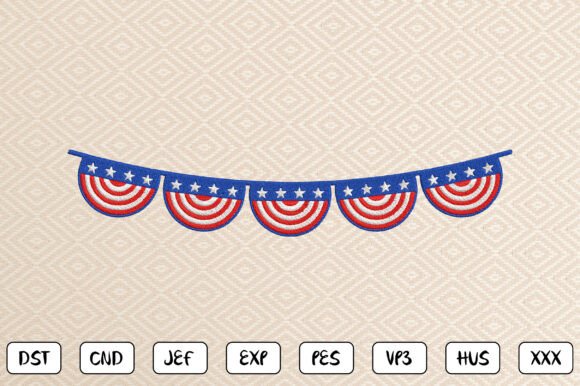
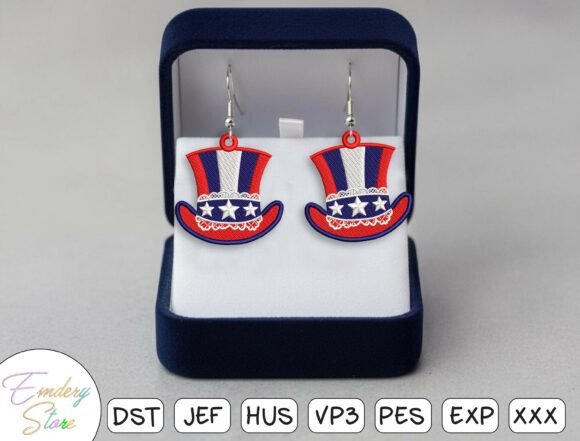
- Verify File Compatibility: Before purchasing or stitching, confirm that the included formats match your machine’s requirements. While most bundles include standard formats like PES, DST, and JEF, it is safer to verify than to assume.
- Check Stitch Density: Open the design in editing software or your machine’s preview mode. Look for areas of excessive density that might cause needle breaks or fabric distortion, especially if resizing.
- Thread Color Mapping: Review the color chart provided with the digital embroidery file. Compare recommended thread colors against your actual inventory to avoid mid-stitch substitutions that alter the design’s intent.
- Stabilizer Selection: Match your stabilizer to the fabric, not just the design. Cut-away for knits, tear-away for wovens, and water-soluble for napped fabrics. Proper stabilization is the foundation of a high-quality handmade product.
- Mockup Testing: Create black and white versions of your mockups to test contrast accessibility. This ensures the design reads clearly in thumbnail images on mobile devices, which is where most Etsy traffic originates.
Ultimately, the 4th of July Embroidery X 15 Designs bundle represents a solid investment for makers focused on Independence Day merchandise. By approaching these designs with technical mindfulness and strategic planning, you can transform digital files into profitable, professional-grade embroidered goods that celebrate patriotism with quality and style.