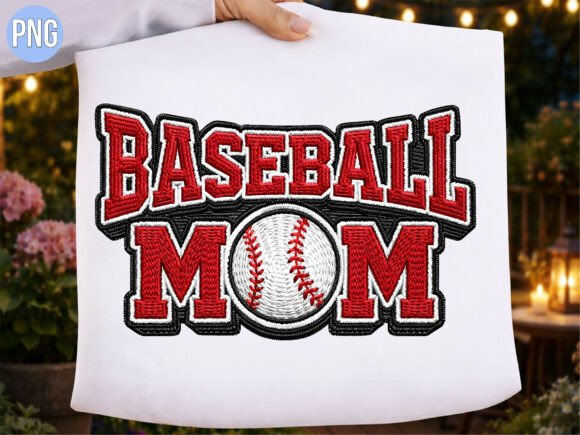
Baseball Mom Embroidery Patch PNG Review
As a designer who spends more time behind an embroidery hoop than a computer screen, I approach every new digital asset with a healthy dose of skepticism. When evaluating the Baseball Mom Embroidery Patch PNG for potential use in my own custom apparel line and client projects, my first question is always practical: will this actually stitch out cleanly, or is it just a pretty picture? This review breaks down the real-world application of this graphic from the perspective of a maker who needs reliable design assets for commercial embroidery and personalized gifts.
First Impressions and Visual Hierarchy
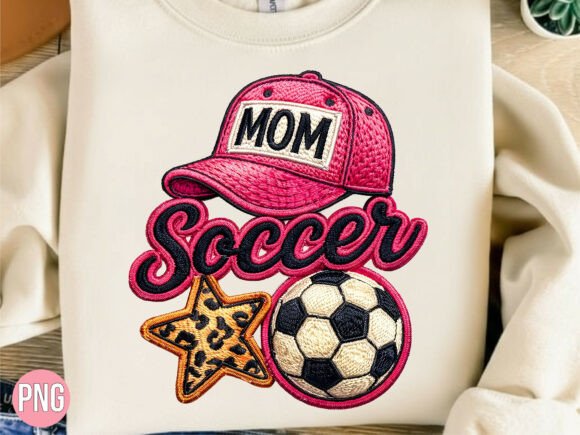
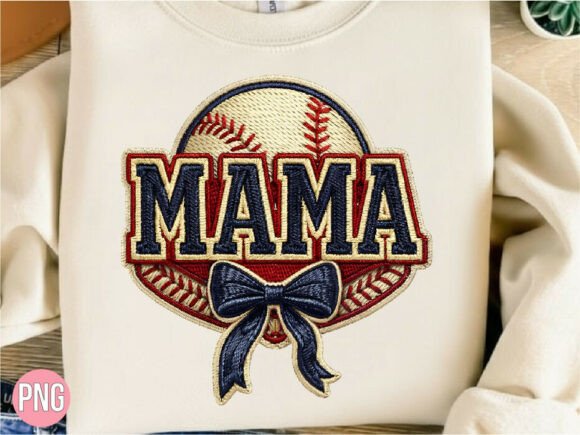
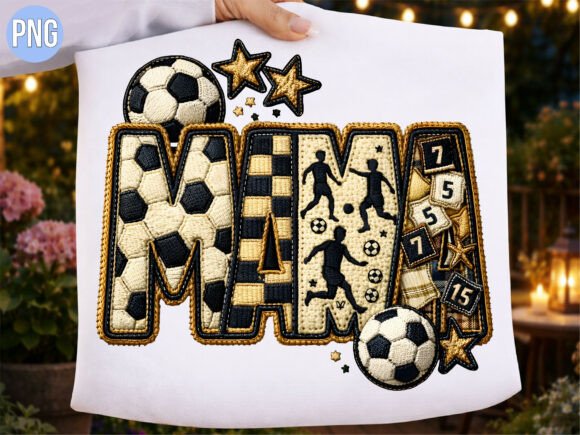
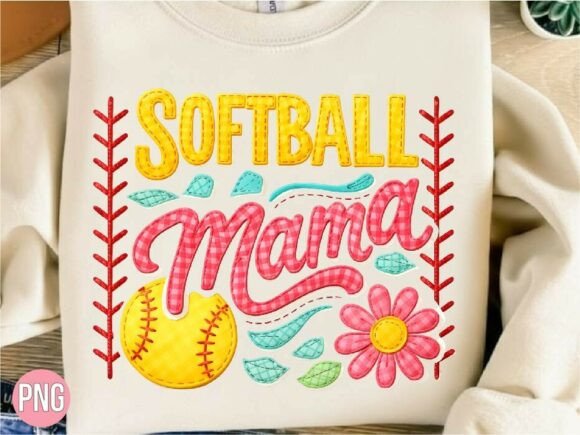
Upon extracting the ZIP folder and opening the 300 DPI PNG file, the immediate strength of this design is its clarity. The transparent background is genuinely clean, which is crucial when importing into digitizing software or using it as a reference for placement. Visually, the layout strikes a balance between sporty nostalgia and modern boutique aesthetics. It avoids the cluttered look that often plagues niche-specific graphics, making it a strong candidate for both traditional embroidered patches and contemporary sweatshirt embroidery.
The mood is distinctly supportive and proud without being overly aggressive. For an Etsy seller or small shop product creator, this visual tone matters. It appeals to the demographic buying handmade products for team moms, end-of-season gifts, or personalized gear. As a graphic intended for T-Shirt Designs, the composition has enough negative space to allow for fabric texture to breathe, preventing the dreaded "bulletproof vest" effect where heavy stitching makes a garment unwearable.
Real-World Application: The Custom Tote Bag Test
To truly evaluate this Baseball Mom Embroidery Patch PNG, I mentally mapped it onto a recent client request: a set of canvas tote bags for a local little league fundraiser. Canvas is unforgiving; it highlights uneven stitch density and poor registration. In this scenario, the design’s bold shapes are an asset. If this were a delicate, thin-line illustration, it would get lost in the weave of the canvas. However, the solid areas in this graphic suggest it can support a fill stitch or serve as an excellent guide for an applique design.
For this specific project, I would likely treat the main elements as satin stitch borders with a lighter fill stitch interior to reduce bulk. The 300 DPI resolution allows me to zoom in closely within my digitizing software to trace accurate node points. This precision is vital when creating a finished product that needs to withstand washing and heavy use. Customers trust handmade items that look professional, not homemade. Using a high-resolution source file like this ensures that the edges remain crisp, maintaining brand consistency across multiple bags.
Navigating Fabric Variables and Hoop Constraints
While the design is versatile, it requires strategic planning depending on your substrate. Not all fabrics behave the same way under needle penetration. Here is how I assess this graphic for different materials:
- Stretchy Knits and Performance Wear: If applying this to a moisture-wicking baseball jersey or a stretchy baby onesie, you must account for push-pull distortion. The design’s shape may require slight compensation during digitizing. Always use a cut-away stabilizer and consider a topping to prevent stitches from sinking into the knit texture.
- Caps and Curved Surfaces: The aspect ratio of this PNG appears adaptable for caps, but curved surfaces compress designs vertically. You may need to adjust the height-to-width ratio slightly before stitching. Test on a scrap cap first to ensure the lettering remains legible at the curve's apex.
- Dark Fabrics: Since this is a digital download meant for various uses, remember that thread colors interact differently with dark backgrounds. A white outline or border might be necessary to make the design pop on navy or black sweatshirts. Check contrast levels in black and white mockups before committing thread to fabric.
- Sheer or Lightweight Fabrics: Be cautious here. Dense stitch areas in this design could pucker lightweight cotton or linen. If using it for baby embroidery or tea towels, consider reducing the stitch density or converting solid fills to running stitch outlines to maintain drape.
Commercial Viability for Makers and Sellers
For creative entrepreneurs and digital product sellers, the value of this asset extends beyond a single project. The inclusion of a high-resolution PNG with a transparent background makes it dual-purpose. While I primarily review it for machine embroidery design, it is equally valuable for printable mockups. Before I even thread my machine, I can overlay this graphic onto product photos to gauge customer interest on social media or Etsy listings. This saves time and materials by validating demand before production.
However, a critical note for any craft business owner: always verify licensing. While the product description highlights suitability for POD products and commercial use, you must confirm whether you are selling the physical finished product or if there are restrictions on reselling the digital embroidery file itself. Protecting your business means respecting intellectual property boundaries. Assuming this is cleared for physical goods, it serves as a high-value addition to a holiday embroidery collection or a seasonal sports lineup.
Technical Considerations Before Stitching
Because this product is a PNG graphic rather than a pre-digitized embroidery file, it serves as the blueprint rather than the final instruction. This distinction is important for hobbyists and professionals alike. You cannot simply load a PNG into an embroidery machine. It requires digitizing or sublimation transfer depending on your equipment.
If you are digitizing this yourself, pay close attention to the following technical aspects to ensure a premium result:
- Stitch Direction: Follow the natural flow of the artwork. Random stitch directions can cause light reflection issues that make the embroidery look messy. Align fill stitches with the contours of the design.
- Underlay Strategy: Do not skip underlay. Even though the PNG looks flat, the fabric needs a foundation. Use edge-run underlay for satin columns and tatami underlay for large fill areas to stabilize the fabric before top stitching.
- Detail Management: Inspect tiny lettering or intricate corners in the PNG. If details are smaller than 1mm in the final stitch-out size, they may not render well. Simplify these areas during digitizing to prevent thread breaks or bird-nesting.
- Thread Color Matching: Use the high-res image as a color map. Print it out or view it on a calibrated monitor to select thread colors that match the intended vibrancy. Digital screens often display colors brighter than rayon or polyester threads can achieve.
Final Verdict for Project Planning
The Baseball Mom Embroidery Patch PNG stands out as a robust foundational asset for apparel decorators and makers. Its 300 DPI resolution and transparent background provide the technical quality needed for professional digitizing and sublimation workflows. Whether you are creating a custom embroidered patch for a team jacket or designing a best-selling sweatshirt for your online shop, this graphic offers the visual appeal and structural integrity required for success.
My recommendation is to treat this as a premium starting point. Test it on scrap fabric matching your final project weight, verify your stabilizer choice, and ensure your digitizing respects the design’s original intent. When executed correctly, this design translates beautifully from screen to stitch, resulting in a handmade product that customers will be proud to wear and display. For those in the T-Shirt Designs and Graphics space, keeping such versatile, high-quality assets in your library is essential for maintaining efficiency and quality in a competitive market.