Butterfly Flower Faux Yarn Embroidery Review
As an experienced embroidery designer preparing for a busy weekend craft fair, my selection process for booth inventory is rigorous. I am not just looking for pretty pictures; I am evaluating viability, production speed, and shelf appeal. When reviewing the Butterfly Flower Faux Yarn Embroidery graphic assets, I approach them with a critical eye toward translation from screen to stitch. This specific design collection, provided as high-resolution PNG files at 4500px x 5400px, offers a unique aesthetic that mimics the texture of yarn without the bulk. For handmade shop owners and Etsy sellers, understanding how to leverage this faux yarn style is the difference between a product that sits on the table and one that sells out by noon.
First Impressions: Rustic Charm Meets Modern Texture
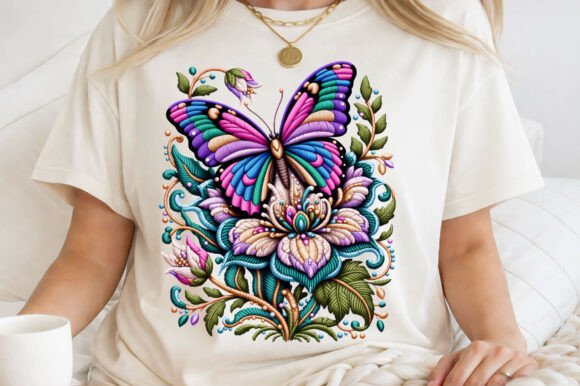
The immediate visual impact of the Butterfly Flower Faux Yarn Embroidery is undeniably soft yet bold. Unlike traditional satin stitch florals that can sometimes appear flat or overly shiny, this faux yarn aesthetic introduces a matte, textured dimension that reads as premium and cozy. From a booth display perspective, this texture catches the light differently, creating depth that draws customers in from several feet away. The style bridges the gap between farmhouse rustic and modern cottagecore, making it versatile for various demographics. It does not feel stiff or industrial; rather, it evokes a sense of handcrafted warmth even before the needle touches the fabric. For a T-shirt design or apron embroidery, this visual softness suggests comfort, which is a primary selling point for wearable handmade products.
Best-Selling Applications for Craft Fair Inventory
When planning my table layout, I categorize items by price point and impulse-buy potential. The Butterfly Flower Faux Yarn Embroidery performs exceptionally well across multiple categories because of its organic shape and textural interest.
- Tote Bag Design: This is arguably the strongest application. Canvas tote bags benefit immensely from the faux yarn look because the texture complements the natural weave of the cotton canvas. A large, centered butterfly flower motif turns a plain market bag into a statement piece.
- Tea Towel Embroidery: Kitchen linens require designs that withstand washing while maintaining charm. The faux yarn style mimics traditional redwork or crewel embroidery but with cleaner lines suitable for machine embroidery. These sell well as giftable handmade items when bundled with wooden spoons or soap.
- Apron Embroidery: For boutique makers targeting gardeners or bakers, placing this design on the chest or lower pocket of a linen apron adds significant perceived value. The floral theme aligns perfectly with the function of the garment.
- Embroidered Patches: Because the design has distinct edges and internal texture, it digitizes beautifully into patches. These are excellent low-cost add-ons for craft fair tables, allowing customers to buy into the brand at a lower entry point.
- Pillow Covers and Pouches: Small home decor items allow for larger hoop sizes where the details of the butterfly wings and flower petals can truly shine without shrinking.
Production Practicality and Booth Display Strategy
A beautiful digital embroidery file must also be practical to produce in batches. With six variations included in the zipped folder, I have enough diversity to create a cohesive collection without repetitive strain. The 4500px x 5400px resolution ensures that when I trace or auto-digitize these graphics, the lines remain crisp even at larger sizes. For batch production, consistency is key. The faux yarn effect relies on specific stitch types—typically running stitches layered over fill patterns or specialized chenille-style fills. Once I establish the correct parameters for one design, the others in the set follow suit, streamlining my workflow.
Photographing these finished products for Etsy listings requires attention to lighting. The texture of the faux yarn embroidery creates micro-shadows that define the design. Flat lays work well, but lifestyle shots showing the drape of a tote bag or the fold of a tea towel better communicate the tactile quality that makes this design special. In a physical booth, I would display these items at eye level or on angled risers so customers can see the stitch definition without having to pick up every single item. The visual complexity of the butterfly flower acts as a natural stopper for foot traffic.
Critical Technical Considerations for Digitizing
While the Butterfly Flower Faux Yarn Embroidery is visually stunning, it presents specific challenges that every commercial embroidery business owner must address before mass production. The "faux yarn" look often implies density.
- Stitch Density Management: To achieve the yarn-like appearance, digitizers often use dense fill stitches or heavy layering. On lightweight fabrics like standard T-shirts, this can cause puckering or distortion. Always test on scrap fabric identical to your final product. You may need to reduce density slightly or use a water-soluble topping to prevent stitches from sinking into textured fabrics.
- Stabilizer Selection: Do not skimp on stabilizer. For tote bags and aprons, a medium-weight cutaway provides the necessary support for the textured stitches. For tea towels, a tear-away might suffice, but only if the design isn't excessively dense. Incorrect stabilization will ruin the professional finish expected at a craft fair.
- Fabric Texture Interaction: Be cautious when applying this design to highly textured surfaces like terry cloth or waffle-weave towels. The faux yarn detail can get lost in the fabric pile. In these cases, using a thicker top thread or increasing the stitch width during digitizing helps maintain clarity.
- Hoop Size Verification: The provided PNGs are large, but you must verify your machine’s maximum embroidery area. Scaling down too aggressively can cause tiny details in the butterfly antennae or flower stamens to merge. If resizing is necessary, re-digitize rather than simply shrinking the file to preserve stitch integrity.
- Thread Color Contrast: Faux yarn effects rely on shadow and highlight. Using a single variegated thread can enhance the look, but solid colors require careful shading in the digitizing software to avoid a flat appearance. Test thread colors against your fabric choices; pastel threads on white fabric may lack the definition needed for the texture to read clearly.
Maximizing Value for Creative Entrepreneurs
For digital sellers and creative entrepreneurs, the versatility of this asset extends beyond physical goods. The transparent background PNGs serve as excellent printable mockups for marketing materials or website banners, helping to visualize potential products before committing to stitching. However, always confirm commercial licensing terms before selling finished products or distributing derivative works. As a small shop product, the Butterfly Flower Faux Yarn Embroidery carries a higher perceived value than standard vector art because of its specialized texture. Customers recognize the effort involved in replicating yarn aesthetics via machine embroidery.
Ultimately, success at a craft fair depends on offering products that feel intentional and high-quality. This design collection supports that goal by providing a distinctive look that stands apart from generic clip art. By respecting the technical requirements of stitch density and stabilizer, and by choosing substrates that complement the rustic-yet-modern vibe, you transform a digital file into a tangible bestseller. Whether applied to a cap, a patch, or a premium linen pillow, the Butterfly Flower Faux Yarn Embroidery offers a pathway to creating memorable, tactile goods that resonate with buyers seeking authentic handmade quality.