Frog with Coffee Cute Embroidery Design Review
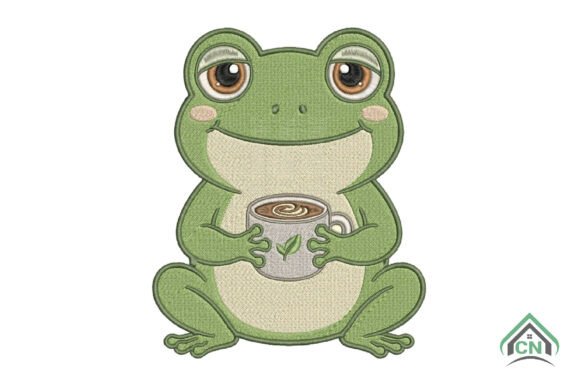
As a professional embroidery digitizer and product reviewer, I approach every new machine embroidery design with a critical eye toward production viability. When evaluating the Frog with Coffee Cute Embroidery Design, my immediate focus is not just on the aesthetic charm of the amphibian holding a warm beverage, but on how those visual elements translate into actual stitches on fabric. This design sits at an interesting intersection of whimsy and lifestyle appeal, making it a strong contender for makers who specialize in cozy, relatable content. While categorized under Bugs in some digital libraries due to its animal nature, this piece functions far better as a lifestyle or character motif than a biological illustration. The mood is distinctly hygge, suggesting warmth, relaxation, and morning routines, which dictates exactly where and how this embroidery file should be utilized in a commercial or hobbyist setting.
Translating Digital Charm to Physical Stitches
The first impression of this design is undeniably cute, but cuteness alone does not guarantee a successful finished product. In reviewing the layout, the balance between the frog’s organic shape and the geometric structure of the coffee cup is crucial. For a design like this to work in real-world applications, the digitizing must account for the weight of the coffee cup. If the cup relies heavily on dense satin stitch borders without adequate underlay, it risks distorting the surrounding fabric, especially on lighter knits used for t-shirts. I look for intelligent use of fill stitch in the frog’s body to reduce overall stitch density while maintaining coverage. A solid fill can make a garment stiff and uncomfortable, whereas a well-digitized textured fill keeps the custom apparel soft and wearable. The facial expression is another critical checkpoint; small details like eyes and mouth curves often get lost if the running stitch width is too thin or if the registration is off during production. This design succeeds when those features remain distinct even after washing.
Real-World Application: The Coffee Lover’s Tote Bag
To truly test the versatility of the Frog with Coffee Cute Embroidery Design, I mentally place it in a specific production scenario: creating a canvas tote bag for a local coffee shop collaboration or an Etsy listing targeting caffeine enthusiasts. Canvas provides a stable base, but it also has a pronounced fabric texture that can swallow fine details. In this context, the design needs to be bold. If I were stitching this onto a natural cotton canvas tote bag design, I would prioritize high contrast thread colors. A dark green frog against unbleached canvas works beautifully, but the coffee cup requires careful color blending to prevent it from looking muddy against the textured background. This project highlights the importance of checking the design's dimensions against your available hoop size. A tote bag offers ample space, allowing the design to breathe, whereas shrinking it down for a pocket might compromise the clarity of the steam rising from the cup. For Etsy seller workflows, this specific application bridges the gap between niche animal lovers and general cozy aesthetic buyers, potentially widening your customer base.
Navigating Fabric Challenges and Stabilization
While the Frog with Coffee Cute Embroidery Design is versatile, it demands respect for fabric physics. I have seen similar character designs fail spectacularly on stretchy ribbed knits because the creator ignored stabilization requirements. If you are planning sweatshirt embroidery or working with performance fabrics, you must use an appropriate stabilizer. A cut-away stabilizer is non-negotiable here to prevent the frog’s outline from puckering as the fabric relaxes post-hoop. Conversely, if you are attempting baby embroidery on delicate onesies, the density becomes a safety and comfort concern. You may need to edit the digital embroidery file to remove excess jumps or reduce fill density to avoid creating a rigid patch on soft cotton. Dark fabrics present another hurdle; if the design includes light-colored steam or highlights, ensure there is sufficient underlay to prevent the dark fabric from showing through the lighter threads. Always verify that the design holds up on both light and dark backgrounds before committing to a bulk order for your small shop product line.
Commercial Viability and Brand Consistency
For creative entrepreneurs and craft business owners, this design offers significant value beyond personal projects. However, integrating it into a cohesive brand requires intentionality. The "cute" factor sells, but professionalism retains customers. When using this as part of a larger collection of design assets, ensure the stitch style matches your other products. If your shop specializes in minimalist line art, a heavily filled cartoon frog might feel out of place. On the other hand, if your brand focuses on kawaii or cottagecore aesthetics, this design is a perfect anchor piece. For those selling personalized gift items like mugs or tea towels, consider how the design interacts with added text. Is there negative space above or below the frog for a custom name? A well-composed embroidery design leaves room for personalization without requiring extensive editing. Before listing any item featuring this motif, confirm your licensing rights. Some files allow for unlimited physical sales but restrict the creation of printable mockup images or digital transfers. Protecting your business means understanding these boundaries clearly.
Essential Pre-Production Checklist for Makers
Experience has taught me that skipping the testing phase is the most expensive mistake in embroidery. Before running the Frog with Coffee Cute Embroidery Design on a final garment, adhere to this practical workflow:
- Test Stitch on Scrap Material: Never assume the file is perfect for your specific machine and fabric combination. Run a test on the exact material you intend to use, including the same stabilizer setup.
- Evaluate Thread Contrast: View the test stitch in natural lighting. Colors that pop on a computer screen may blend together in thread form. Adjust thread colors to ensure the coffee cup and frog are visually distinct.
- Check Small Detail Clarity: Inspect the eyes, mouth, and any steam lines. If they are buried in the fabric texture or breaking frequently, the design may need resizing or density adjustment.
- Verify Hoop Compatibility: Confirm the design fits comfortably within your hoop size with adequate margin for the presser foot. Crowding the hoop leads to alignment issues.
- Assess Wash Durability: If producing commercial embroidery for apparel, wash and dry the test sample. Check for shrinkage, thread breaks, or distortion that could lead to customer returns.
- Review Licensing Terms: Double-check whether the designer permits modification, resizing, or use on items intended for sale. Respect intellectual property to maintain industry integrity.
Final Thoughts on Design Selection
The Frog with Coffee Cute Embroidery Design represents a delightful opportunity for makers to tap into current trends while showcasing technical skill. Its success lies not just in downloading the file, but in understanding how to execute it with precision. Whether you are creating a holiday embroidery gift for a friend or launching a new line of cafe-inspired merchandise, treat this design as a component of a larger quality system. Pay attention to the interplay of stitch types, respect the limitations of your chosen substrate, and always validate your results through testing. By approaching this adorable frog with the rigor of a professional, you transform a simple digital file into a tangible, high-value handmade product that customers will cherish. Remember, in the world of machine embroidery, the difference between amateur and artisan is almost always found in the preparation and finishing details.