Knife Machine Embroidery Design Review
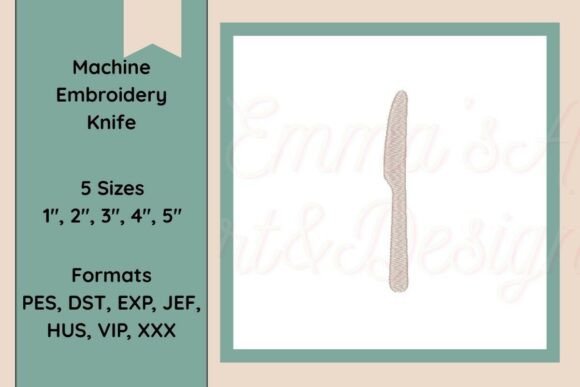
As an embroidery designer who specializes in commercial branding and small business merchandise, I approach every new asset with a critical eye. When evaluating the Knife Machine Embroidery Design, my primary focus is not just on its aesthetic appeal for home decor, but on its structural integrity for professional use. This design is categorized under Freebies, which makes it an accessible starting point for startups and Etsy sellers, but accessibility should never compromise quality. For chefs, culinary brands, and kitchen-themed businesses, this digital embroidery file offers a clean, professional silhouette that translates well across various mediums. However, moving from a screen preview to a finished product requires understanding how this specific motif behaves under the needle.
Visual Personality and Brand Identity Alignment
The first impression of the Knife Machine Embroidery Design is one of utilitarian elegance. It strikes a balance between industrial precision and artisanal warmth, making it highly versatile for brand identity. In the context of small business merch, this design does not scream "novelty"; instead, it communicates competence and craftsmanship. For a boutique bakery or a high-end catering service, the knife icon serves as a subtle nod to the trade without being overly aggressive. The lines appear optimized for clarity, suggesting a modern yet classic aesthetic that builds customer trust. When used correctly, this imagery elevates the perceived value of handmade products, signaling to buyers that the business pays attention to detail. Whether applied to custom apparel or packaging accents, the visual weight of the knife suggests professionalism, distinguishing your brand from generic clip-art competitors.
Performance Across Commercial Applications
In real-world commercial embroidery scenarios, versatility is key. I have evaluated how this design performs across the most common touchpoints for culinary and creative businesses:
- Apron Embroidery: This is the natural habitat for this design. Placed on the chest pocket or centered above the waist tie, the knife motif reinforces staff uniformity and brand recognition. The vertical orientation often complements apron seams and pockets effectively.
- Embroidered Patches: As a standalone patch, the Knife Machine Embroidery Design works exceptionally well for morale patches or vendor booth giveaways. Its distinct outline allows for clean merrowing or satin stitch borders, ensuring the patch remains legible even at smaller sizes.
- Tote Bag Design: For farmers' market vendors or grocery delivery services, this design provides excellent contrast on canvas or linen. It acts as a functional logo that customers are proud to carry, extending brand reach beyond the initial sale.
- Cap Embroidery: While usable on caps, the aspect ratio must be considered. A long chef’s knife may need resizing or reorientation to fit the curved front panel without distorting. When adapted correctly, it creates a sharp, recognizable profile for food truck staff.
- Product Packaging: Stitching this design onto cloth napkins, bread bags, or jar cozies adds a premium unboxing experience. It transforms a simple container into a keepsake, enhancing the overall value proposition of the handmade product.
Critical Considerations for Production Safety
Despite its clean appearance, the Knife Machine Embroidery Design presents specific challenges that apparel decorators and shop owners must navigate. Not all fabrics or placements are created equal, and ignoring these constraints can lead to production failures.
Fabric Texture and Stabilizer Selection
Kitchen environments demand durable goods, meaning this design will likely be stitched on heavy-duty canvas, denim, or twill. These textured surfaces can swallow fine details. If the knife features intricate engraving or thin blade highlights, you must use an appropriate stabilizer to prevent puckering and ensure registration. Conversely, if applying this to lightweight chef coats or performance poly-blends, excessive stitch density could cause fabric distortion. Always match your backing to the garment weight; a cutaway stabilizer is generally safer for stretchy uniforms, while tear-away may suffice for rigid tote bags.
Sizing and Legibility Limits
There is a minimum viable size for any machine embroidery design. With a knife motif, the handle details and the tip of the blade are the first elements to fail when scaled down. Before committing to bulk production for small patch sizes or sleeve cuffs, verify that the internal spacing remains open. If the satin stitches merge or the running stitches become indistinguishable, the design loses its professional impact. For cap embroidery, ensure the hoop size accommodates the curve without flattening the design geometry, which can make straight blades look bent.
Washability and Thread Contrast
Culinary merchandise faces harsh laundering conditions involving high heat and bleach. When selecting thread colors for this design, prioritize colorfastness and contrast. White thread on white aprons looks elegant initially but becomes invisible after a few washes. Opt for high-contrast combinations like black on tan, navy on white, or metallic accents that withstand industrial cleaning. Furthermore, check the stitch density; overly dense fills on frequently washed items can lead to premature fabric wear around the embroidery area.
Designer Notes for Successful Implementation
To maximize the ROI of this free embroidery file, follow this pre-production checklist. These steps separate hobbyist results from professional commercial embroidery standards:
- Verify Licensing: Although listed as a Freebie, always confirm the commercial license terms before using the Knife Machine Embroidery Design for branded merchandise or items intended for resale. Documentation protects your business.
- Create Printable Mockups: Before stitching, generate a printable mockup at actual size. Place it against the intended garment or item to evaluate scale and placement visually. Digital screens are deceptive regarding physical proportions.
- Test in Monochrome: Run a test stitch-out in black and white first. This reveals structural issues, pull compensation needs, and registration errors that multiple thread colors might hide. If it looks good in mono, it will look great in color.
- Audit Stitch Count and Formats: Since specific technical data was not provided in the product description, you must inspect the digital embroidery file yourself. Check the stitch count to estimate production time and cost. Ensure the file format is compatible with your machine and has been digitized properly for the target fabric type.
- Compare Against Design Assets: Place this knife design beside your existing logos and typography. Does the line weight match? Is the style consistent? Visual cohesion across all design assets strengthens brand identity and prevents a disjointed merchandise collection.
- Sample on Real Fabric: Never assume a design will work based on a previous project. Test on the exact fabric texture you plan to use for the final run. Adjust tension and stabilizer based on this sample to avoid costly rework on finished products.
Elevating Small Business Merchandise
The Knife Machine Embroidery Design represents more than just a decorative element; it is a strategic tool for small business growth. For Etsy sellers and local creatives, utilizing high-quality, relevant imagery helps establish niche authority. When a customer sees a well-executed embroidered patch or a crisp logo on an apron, they associate that quality with the food or service being offered. This design facilitates that connection by providing a recognizable symbol of the culinary arts that feels both personal and polished.
However, the success of this asset lies entirely in execution. By respecting the technical limitations of machine embroidery, choosing appropriate applications, and validating the design through rigorous testing, you transform a simple freebie into a cornerstone of your commercial branding strategy. Whether you are outfitting a food truck team, launching a line of kitchen linens, or creating exclusive member gifts, this design offers the foundational aesthetics needed to succeed. Just remember: in the world of branded merchandise, the difference between amateur and professional is found in the preparation, the stabilizer choice, and the attention to detail during the sampling phase. Treat this design with the same respect you would give a paid custom digitization, and it will serve your business reliably.