Mini Vegetable Embroidery: A Designer Review
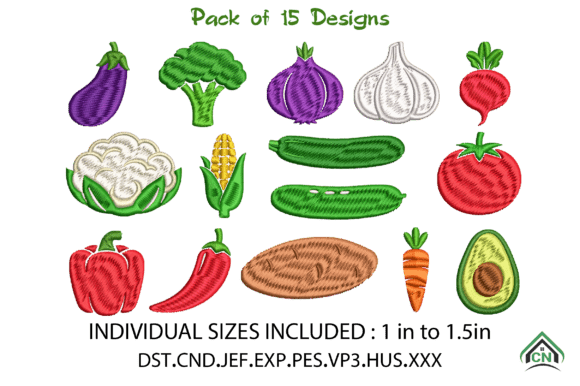
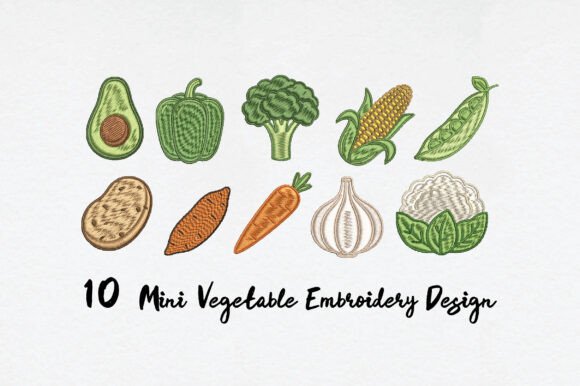
As an embroidery designer specializing in commercial branding and small business merchandise, I approach every new machine embroidery design with a critical eye toward production viability. When evaluating the Mini Vegetable Embroidery collection for potential business use, my primary focus is not just on aesthetic appeal, but on how these designs translate from screen to fabric in a high-volume or boutique environment. This set of 10 mini vegetable designs offers a unique opportunity for food-centric businesses, organic brands, and handmade sellers to elevate their visual identity through accessible, high-quality digitizing.
Visual Personality and Brand Alignment
The first impression of the Mini Vegetable Embroidery bundle is one of approachable professionalism. In the realm of brand identity, vegetables often signal freshness, health, sustainability, and artisanal care. However, poorly digitized food motifs can look juvenile or messy. This collection strikes a balance between playful and polished. The inclusion of staples like avocado, bell pepper, broccoli, corn, peas, potato, and carrot provides a versatile palette that suits various niches. For a farm-to-table café, these icons communicate menu offerings instantly. For a sustainable clothing brand, they act as subtle markers of eco-conscious values without being overtly loud.
From a design perspective, the "mini" aspect is crucial. Small-scale embroidery requires precise stitch placement to maintain clarity. These designs appear optimized for compact applications, making them ideal for small business merch where space is at a premium. They avoid the heavy saturation that can distort lightweight fabrics, suggesting a digitizing style that respects the integrity of the garment while delivering recognizable iconography.
Commercial Applications and Merchandise Strategy
For small business owners and apparel decorators, versatility is key to maximizing return on investment for digital assets. The Mini Vegetable Embroidery set performs exceptionally well across multiple product categories:
- Embroidered Patches: Due to their compact nature, these veggies are perfect candidates for PVC or woven-style patches. They can be produced in bulk and applied to denim jackets, backpacks, or beanies as add-on merchandise.
- Apron Embroidery: For bakeries, florists, and bistros, placing a single vegetable icon on the chest pocket of an apron creates a cohesive uniform look without the heaviness of a full-back logo.
- Tote Bag Design: Canvas totes are a staple for markets and boutiques. A scattered pattern of these mini vegetables creates a custom print effect using thread, adding significant perceived value to a simple cotton bag.
- Cap Embroidery: The limited real estate on a cap front demands clean, readable art. These mini designs fit perfectly within standard cap hoops without requiring excessive resizing that could compromise detail.
- Product Packaging Accents: Beyond apparel, consider embroidering these directly onto linen napkins, tea towels, or reusable produce bags sold as part of a branded product line.
When integrating these into custom apparel lines, the variety allows for mix-and-match collections. A "harvest series" sweatshirt featuring all ten vegetables arranged in a wreath or grid layout transforms individual icons into a comprehensive seasonal design asset.
Production Considerations and Technical Constraints
While the aesthetic is strong, professional execution requires attention to technical limitations. As with any digital embroidery file, testing is non-negotiable before committing to a production run. Here are specific areas where caution is advised when using Mini Vegetable Embroidery:
Fabric Texture and Stabilizer Selection
Vegetable designs often involve fill stitches and satin borders. On textured fabrics like terry cloth or pique knits, fine details can get lost. Always use appropriate stabilizer to prevent puckering and ensure the design sits flat. For caps and structured items, verify that the design density does not cause needle breaks or fabric perforation. If the stitch density is too high for your target substrate, you may need to edit the file or choose a different backing material.
Size Limitations and Detail Integrity
Although labeled "mini," there is a floor to how small these can go before legibility suffers. Before mass-producing embroidered patch inventory, test the smallest intended size. Check if internal details (like pea pods or corn kernels) remain distinct. If elements merge at smaller sizes, the design may need simplification for micro-applications. Conversely, enlarging them significantly may reveal gaps in coverage or jagged edges if the original digitizing was strictly optimized for small formats.
Thread Color Contrast and Visibility
Vegetables rely heavily on color recognition. A green broccoli on a dark green shirt lacks contrast and visual impact. When planning thread colors, prioritize contrast over exact realism to ensure visibility on dark uniforms or colored tote bags. Test runs in black and white are highly recommended to evaluate tonal values independent of hue. This ensures the design reads clearly even in monochromatic branding schemes.
Impact on Customer Trust and Perceived Value
In the competitive landscape of Etsy sellers and local artisans, presentation dictates price point. High-quality embroidery signals permanence and care. Using a cohesive set like Mini Vegetable Embroidery across your product line establishes visual consistency, which builds customer trust. When a buyer sees the same professionally executed carrot icon on your packaging, your staff uniform, and your social media mockups, it reinforces a legitimate, established brand presence.
Furthermore, these designs enhance the unboxing experience. Adding a small embroidered tag or accent to a handmade product elevates it from a craft project to a retail-ready item. For service-based businesses like pet groomers or florists, these friendly icons soften the corporate feel of uniforms, making staff appear more approachable and aligned with the nurturing nature of the work.
Essential Pre-Production Checklist for Business Owners
Before loading this embroidery file into your machine for a client order or stock production, complete this verification process:
- Verify Commercial Licensing: Confirm that the purchase includes rights for commercial use on merchandise for sale. Never assume personal-use licenses cover retail products.
- Check Hoop Size Compatibility: Ensure the design dimensions fit comfortably within your available hoops with adequate margin for clamping. Measure the actual stitch area, not just the bounding box.
- Create Printable Mockups: Use software to generate realistic previews for client approval. This manages expectations regarding size and placement before a single needle penetrates fabric.
- Test on Target Material: Never skip the sew-out. Run a test on the exact fabric and stabilizer combination intended for the final product. Inspect registration, tension, and trim quality.
- Compare Beside Other Assets: Place the vegetable designs next to your existing logos and typography. Ensure the stitch style and weight are visually compatible to maintain a unified brand aesthetic.
- Review Thread Chart: Map out specific thread brands and numbers to ensure repeatability. Document these choices so future reorders match the original production exactly.
The Mini Vegetable Embroidery collection represents a valuable asset for businesses seeking to infuse warmth and organic character into their branded goods. By treating these designs as professional tools rather than mere decorations, and by adhering to rigorous testing protocols, small business owners can leverage this set to create distinctive, high-value merchandise that resonates with customers and stands up to the demands of daily wear. Whether for a boutique bakery's aprons or an eco-brand's tote bags, success lies in the intersection of charming design and disciplined production standards.