Rooster or Hen Embroidery Design Review
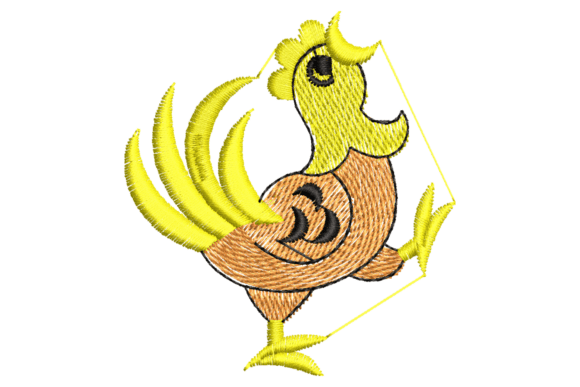
As a professional embroidery designer specializing in commercial branding and merchandise production, I evaluate every machine embroidery design through the lens of profitability, durability, and brand consistency. When reviewing the Rooster or Hen Embroidery Design for potential business use, my primary focus is not just on its aesthetic charm, but on its technical viability for . This charming design features a friendly farm-inspired look with clean lines and soft details, making it an immediate contender for rustic, country, and farmhouse-themed projects. However, translating a digital art file into a profitable finished product requires a critical assessment of how those soft details perform under high-speed commercial embroidery machines.
Visual Personality and Brand Identity Alignment
The first impression of this Rooster or Hen Embroidery Design is undeniably warm and approachable. For businesses like farm-to-table cafés, artisanal bakeries, florists, or pet brands, this visual personality is a strategic asset. In the realm of brand identity, poultry motifs often signal freshness, organic origins, and handmade quality. Unlike aggressive or overly complex bird designs, this specific artwork balances detail with readability. The "friendly" aspect mentioned in the product description suggests rounded edges and open spacing, which is excellent for creating a welcoming customer experience.
For Etsy sellers and handmade product creators, this design bridges the gap between professional polish and artisanal authenticity. It avoids the sterile look of corporate clip art while maintaining enough structure to look intentional on custom apparel. When used as a chest logo accent or a sleeve detail, it communicates a narrative of care and tradition. However, designers must ensure this warmth aligns with their specific niche; while perfect for a boutique or creative studio, it may feel too informal for high-end luxury goods unless stylized appropriately within the broader collection of design assets.
Commercial Applications: From Aprons to Patches
In real-world business scenarios, versatility is key. I have evaluated this Rooster or Hen Embroidery Design across several high-demand commercial applications:
- Apron Embroidery: This is perhaps the strongest use case. The design’s scale likely suits the left chest or center bib of a canvas apron perfectly. The clean lines will stand out against textured cotton or denim without getting lost.
- Embroidered Patch Production: For businesses selling add-on merchandise, this design works beautifully as a standalone patch. The "clean lines" suggest a defined border or satin stitch edge, which is crucial for clean merrowing and cutting. A well-digitized rooster patch can be applied to caps, jackets, or backpacks, expanding your inventory without re-hooping garments.
- Tote Bag Design: Canvas totes are staples for farmers' markets and boutiques. This design provides a focal point that feels premium rather than generic. Because tote bags are often viewed from a distance, the bold shapes inherent in this farm-inspired look ensure visibility.
- Cap Embroidery: While viable, caps require caution. If the design includes intricate feather details or tiny text elements, they may need simplification for curved surfaces. Always verify the height-to-width ratio fits standard cap frames before committing to bulk production.
- Staff Uniforms: For work shirts, this design serves as an excellent morale booster and uniform identifier. It adds character to standard polos or button-downs, reinforcing the team's connection to the business theme.
Technical Considerations for Production Success
A pretty picture does not always equal a good embroidery file. As a designer, I must highlight where this Rooster or Hen Embroidery Design requires careful handling during production. The description notes "soft details," which can sometimes translate to high stitch density or excessive jump stitches if not digitized with commercial efficiency in mind.
Fabric Texture and Stabilizer: Farmhouse aesthetics often involve linen, burlap, or slubbed cotton. These textured fabrics can swallow fine details. When embroidering this design on such materials, you must use a heavy-duty cutaway stabilizer and potentially a water-soluble topping to prevent the stitches from sinking. Without proper stabilization, the "clean lines" will become jagged, diminishing the perceived value of the merchandise.
Size Limitations: Be wary of resizing this design down for small patches or sleeve cuffs. Reducing a design by more than 20% can cause thread breaks and loss of definition, especially in areas depicting feathers or facial features. Conversely, enlarging it significantly for a tote bag back print may reveal gaps in fill patterns. Always check the original digitizer’s recommended size range before altering dimensions.
Thread Colors and Contrast: The "farm-inspired" palette typically involves earth tones, reds, and golds. On dark uniforms or navy aprons, ensure there is sufficient contrast. Dark brown outlines on black fabric will disappear. You may need to adjust thread colors to lighter shades or add a highlight outline to maintain visibility. Test the colorway on the actual garment material, as screen colors rarely match physical thread sheen.
Strategic Value for Small Business Growth
Investing in this Rooster or Hen Embroidery Design is about more than decoration; it is about leveraging commercial embroidery to build trust. Customers associate embroidered logos with permanence and quality. A printed graphic fades and cracks; an embroidered rooster stays vibrant through hundreds of wash cycles. This longevity reinforces the reliability of your brand.
Furthermore, this design supports product tiering. You can offer basic items with no branding, mid-tier items with a small chest logo, and premium handmade product lines featuring large-scale embroidery or custom patches. This visual hierarchy encourages upsells. For digital embroidery file buyers, owning this asset allows for rapid prototyping of new seasonal collections without commissioning custom digitizing from scratch, saving both time and overhead costs.
Professional Designer Notes for Implementation
Before running a full production batch, adhere to these professional best practices to ensure the Rooster or Hen Embroidery Design meets commercial standards:
- Create a Printable Mockup: Never skip this step. Place the design on a digital template of your intended merchandise to visualize placement and scale. Share this printable mockup with clients or stakeholders for approval before stitching.
- Test Stitch on Real Fabric: Do not rely solely on software simulation. Run a sew-out on the exact fabric and hoop size you plan to use. Inspect the registration, tension, and trim jumps.
- Check Licensing: Confirm the commercial licensing terms included with the digital embroidery file. Ensure you have the right to sell finished products or create patches for sale, as license terms vary by digitizer.
- Evaluate Washability: If this design is for staff uniforms or kitchen aprons, wash the test sample three times. Check for puckering, thread shrinkage, or color bleeding. Farm-themed designs often use red dyes that can bleed onto white fabrics if not properly set.
- Compare Beside Other Assets: Print the design at actual size and place it next to your existing logos or typography. Ensure the visual weight matches your current brand identity. A delicate hen should not overpower a bold serif font, nor should it look insignificant beside a heavy block logo.
- Optimize for Speed: If using this for high-volume small business merch, review the stitch path. Excessive trims slow down production. If the file is inefficient, consider having it professionally edited for commercial speed.
The Rooster or Hen Embroidery Design offers significant potential for businesses rooted in rustic, agricultural, or handmade niches. Its friendly aesthetic and clean structure make it a versatile candidate for everything from apron embroidery to branded packaging accents. By approaching this design with a technical mindset—verifying stabilizer needs, testing on target fabrics, and respecting size limitations—you transform a simple bird motif into a powerful tool for customer engagement and brand recognition. Always validate the specific technical specifications of your purchased file against your production equipment to ensure the final result honors both the artistry of the design and the professionalism of your business.