Leaf Machine Embroidery Design Review
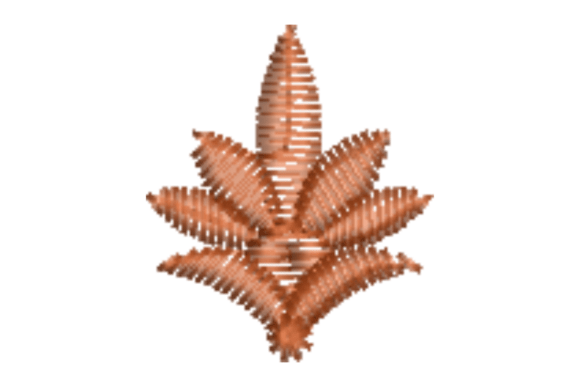
As I prepare my inventory for the upcoming weekend craft fair, I am constantly evaluating which digital assets will translate best into physical sales. When reviewing this Leaf Machine Embroidery Design, my immediate impression is one of versatile elegance. This clean machine embroidery design features a single leaf with graceful natural lines that immediately signal a minimalist botanical style. For an embroidery business owner or Etsy seller, this aesthetic is currently a powerhouse. It avoids the cluttered look of traditional floral patterns, offering instead a calm, modern, and timeless appearance that appeals to contemporary buyers who value understated luxury over loud novelty.
First Impressions and Booth Appeal
In a crowded handmade market, visual clarity is everything. Customers walking past a booth make split-second decisions based on readability. This Leaf Machine Embroidery Design succeeds because it functions as a strong focal point without overwhelming the base product. The minimalist nature means it reads instantly from a distance. Unlike complex scenic designs that require close inspection, this single leaf motif communicates "natural," "organic," and "handmade" within seconds. For a boutique maker setting up a table display, this design offers a cohesive thread that can tie together disparate items like linen napkins and canvas totes under a unified brand identity.
Evaluating Product Applications for Craft Fairs
When planning production for a small shop product line, I assess how a specific embroidery file performs across different substrates. This design’s simplicity makes it exceptionally adaptable, but certain applications yield higher perceived value.
- Tote Bag Design: This is arguably the strongest application for this specific asset. A centered or lower-corner placement on a natural cotton tote allows the graceful lines to breathe. The contrast between dark green thread and unbleached canvas creates a premium, eco-friendly vibe that sells consistently at markets.
- Apron Embroidery: For culinary-themed gifts, this leaf works beautifully as a chest logo or hip accent. Because the lines are clean, it maintains legibility even when the apron is worn and moving. It elevates a standard utility item into a giftable handmade product.
- Tea Towel Embroidery: Kitchen textiles are craft fair staples. However, texture matters here. On smooth flour sack towels, the stitch definition remains crisp. On terry cloth, the fine details of the leaf veins might get lost unless the stitch density is adjusted or a topping is used.
- Pillow Covers and Home Decor: The description notes this design is perfect for cushions, and I agree. As a repeating pattern or a solitary statement on a throw pillow, it fits modern farmhouse and Scandinavian decor trends perfectly.
- Embroidered Patches: While possible, the graceful natural lines suggest satin stitches or delicate running stitches rather than the dense fill typically required for patches. If creating patches, ensure the border is substantial enough to prevent fraying during cutting.
Production Practicality and Batch Efficiency
For creative entrepreneurs, time is money. A major advantage of this Leaf Machine Embroidery Design is its repeatability for batch production. Minimalist designs generally have lower stitch counts than full-coverage florals, meaning faster run times and less thread consumption. This efficiency allows for higher profit margins on commercial embroidery products. Furthermore, the design photographs exceptionally well for online listings. High-contrast, simple shapes create clear thumbnails for Etsy sellers and printable mockup templates. There is no visual noise to distract potential digital buyers or custom order clients.
However, versatility requires technical mindfulness. While the design is clean, "graceful lines" often imply variable stitch widths. When hooping curved surfaces like caps, tension issues can distort these organic shapes. I recommend testing cap placements extensively before committing to bulk production. Similarly, while the design is timeless, its impact relies heavily on thread colors. A neon green might cheapen the look, whereas variegated silk or matte cotton threads enhance the premium, natural feel described in the product details.
Critical Technical Notes for Makers
Before loading this digital embroidery file into your machine for final production, you must address several technical variables to ensure professional results. As an experienced designer, I cannot stress enough the importance of verifying specifications against your specific equipment and materials.
- Check Stitch Density and Stabilizer: Minimalist does not always mean light. Verify if the leaf uses high-density satin stitches for the veins or outline. If stitching on lightweight fabrics like voile or lawn, use an appropriate cut-away stabilizer to prevent puckering. Conversely, if the design is too sparse for heavy denim, consider adding a backing layer.
- Fabric Texture Compatibility: Test the design on scrap fabric that matches your intended finished product. Textured towels or nubby linens can swallow fine details. You may need to increase spacing or simplify tiny elements if the original digitizing was optimized for smooth quilting cotton.
- Hoop Size Verification: Confirm the exact dimensions of the embroidery file. Do not assume it fits your smallest hoop just because it looks small on screen. Resize carefully; altering the size by more than 10-20% can compromise stitch integrity, especially in tapered leaf tips.
- Thread Contrast Testing: Create at least one real mockup using your actual selling palette. Digital renderings often fail to show how thread sheen interacts with fabric weave. Ensure the leaf stands out sufficiently against darker backgrounds.
- Licensing Confirmation: Before selling any finished product or listing the design itself, confirm commercial licensing terms. Protect your business by ensuring you have the right to produce unlimited items for sale or if there are caps on production quantity.
Enhancing Brand Value Through Design Choice
Ultimately, selecting this Leaf Machine Embroidery Design is a strategic branding decision. In the saturated market of handmade goods, consistency builds recognition. By utilizing a design that embodies a calm, modern aesthetic across your entire range—from market bags to giftable handmade items—you create a professional collection rather than a random assortment of crafts. This cohesion increases buyer engagement and justifies higher price points.
The minimalist botanical style also future-proofs your inventory. Trendy, character-based, or seasonal designs have short shelf lives. A timeless leaf motif remains relevant year-round, reducing dead stock after the craft fair ends. Whether you are a Cricut user expanding into embroidery, a digital seller offering design assets, or a boutique maker focusing on sustainable fashion, this design serves as a reliable foundation for profitable, beautiful products.
Final Designer Recommendations
To maximize the success of this Leaf Machine Embroidery Design in your shop, treat it as a core component of your signature style. Use it to anchor your booth display, placing embroidered samples at eye level to draw customers in. Pair it with complementary solid-color merchandise to let the design shine. Remember that while the digital file provides the blueprint, your expertise in stabilizer selection, thread choice, and fabric pairing determines the final quality. Always prioritize test runs over assumptions. By respecting the technical requirements of this clean, graceful design, you ensure that every tote bag, apron, and cushion leaving your studio represents the highest standard of handmade excellence.