Mini Fruits Machine Embroidery Design Review
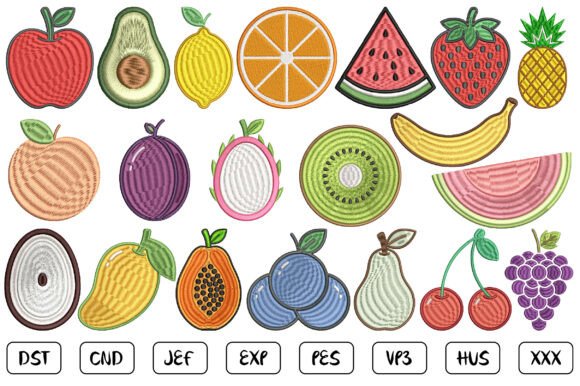
As I prepare my inventory for the upcoming summer craft fair season, I am constantly evaluating which digital assets will translate best into physical sales. The Mini Fruits Machine Embroidery Design set immediately caught my attention as a potential staple for my booth. When you are running an embroidery business or managing an Etsy shop, you cannot rely solely on how a design looks on a screen; you must judge it by its stitch-out quality, production efficiency, and shelf appeal. This collection of 20 unique fruit icons promises a fresh and playful vibe, but does it hold up under the needle? Here is my professional assessment of this machine embroidery design for commercial handmade products.
First Impressions: Fresh, Playful, and Market-Ready
My initial reaction to the Mini Fruits Machine Embroidery Design is that it strikes an excellent balance between modern minimalism and nostalgic charm. The description highlights clean stitching and smooth curves, which suggests a digitizing style that avoids excessive jump stitches and unnecessary trims. For a craft fair product, this is crucial. Customers at outdoor markets are drawn to items that look crisp and professional from a distance. These designs do not feel overly dense or heavy, making them perfect for lightweight summer goods. The aesthetic leans towards a cheerful, contemporary farmhouse style that appeals to a broad demographic, from young parents to home decor enthusiasts. It feels premium rather than generic, which allows for higher price points on finished goods.
Best Selling Applications for Summer Markets
When planning my booth display, I categorize designs by their application. This specific embroidery file set shines in several key areas where impulse buys happen.
- Tote Bag Design: Canvas totes are a summer market essential. Because these fruits are mini icons, they work beautifully as a repeating pattern along the bottom hem or as a singular, off-center accent near the top handle. This placement maximizes the visible fabric while adding high-value detail.
- Tea Towel Embroidery: Linen and cotton tea towels require designs that won't distort the weave. The promised clean stitching of this set makes it ideal for kitchen textiles. A single lemon or strawberry centered above a hanging loop creates an elegant, giftable item.
- Apron Embroidery: For vendor aprons or retail stock, these mini fruits serve as perfect pocket accents. They add personality without overwhelming the functional garment. I envision a baker’s apron with a small peach embroidered directly above the chest pocket.
- Embroidered Patch Production: Given the compact nature of these icons, they are prime candidates for creating iron-on or sew-on patches. Patches have a low material cost and high perceived value, making them excellent add-ons at checkout.
- Fabric Pouches and Zipper Bags: Small cosmetic bags or pencil cases benefit from centered, bold motifs. A vibrant watermelon or cherry design turns a plain zipper pouch into a must-have summer accessory.
Production Efficiency and Batch Manufacturing
For any small shop product or commercial embroidery venture, time is money. The Mini Fruits Machine Embroidery Design appears optimized for batch production. Icon-style designs typically have fewer color changes than complex scenes, allowing me to run multiple hoops consecutively without constant machine intervention. This efficiency is vital when stocking up for a weekend show. Furthermore, the versatility of having 20 unique options means I can create cohesive collections without repetitive inventory. I can offer a "Citrus Collection" on tea towels and a "Berry Collection" on pouches, utilizing the same design assets across different product lines. This consistency strengthens brand recognition and makes my Etsy listings look professionally curated.
Critical Technical Considerations and Careful Use Notes
While the visual appeal is strong, practical application requires vigilance. As an experienced designer, I must highlight specific technical constraints to ensure the finished product meets customer expectations.
Fabric Texture and Stabilizer Selection
The description mentions smooth curves, but texture can ruin even the best digitization. On textured towels or waffle-weave fabrics, tiny details in mini fruit designs can get lost. You must use an appropriate stabilizer to prevent sinking. For caps, the curved surface presents a challenge; ensure the design fits within the safe sewing area of your cap frame to avoid needle breaks or distortion. Always test on scrap fabric that matches your final product's weight and weave before committing to a full production run.
Stitch Density and Thread Contrast
Check the stitch density carefully. If the mini fruits are too dense for lightweight summer fabrics like voile or thin linen, the fabric may pucker or tear. Conversely, if they are too sparse on dark denim, the fabric might show through. Thread colors play a massive role here. Vibrant thread on white canvas pops, but on darker backgrounds, you may need to adjust saturation or add an underlay to maintain clarity. Since exact specifications aren't provided in the general description, always verify the density settings in your software before stitching.
Sizing and Clarity Limits
"Mini" implies small, but there is a floor to how small you can go. Reducing these designs below their intended size risks losing definition, especially in facial features or leaf veins. Confirm the minimum viable size by checking the original hoop size recommendations. Small lettering or intricate stems are usually the first casualties of resizing. If you plan to use these as subtle accents on collar points or cuffs, ensure the design remains legible and attractive at that reduced scale.
Visual Merchandising and Online Presentation
A great craft fair product must also be photogenic. The Mini Fruits Machine Embroidery Design lends itself well to flat lays and lifestyle photography. Because the motifs are distinct and colorful, they photograph clearly even in natural outdoor lighting typical of market days. For Etsy sellers, creating a printable mockup using these design assets can save time and fabric during the listing creation phase. However, nothing sells a handmade product better than a photo of the actual stitch-out. Showcasing the texture and sheen of the threads builds trust. When displaying these at a booth, group items by color family to create a visually arresting block of merchandise that draws the eye from across the aisle.
Designer Checklist Before Commercial Use
Before listing any item made with this digital embroidery file for sale, complete this verification process:
- Verify Licensing: Confirm that the license permits commercial use of finished products. Never assume; check the specific terms included with the purchase.
- Test Stitch-Out: Run a sample on your intended fabric. Inspect registration, tension, and trim jumps.
- Color Validation: Compare thread colors against the fabric in daylight. Screen colors often differ from physical rayon or polyester threads.
- Hoop Compatibility: Ensure the design fits your available hoops without requiring excessive re-hooping or splitting.
- Create Physical Mockups: Photograph real samples for your listings. Authenticity drives sales in the handmade community.
- Review Spacing: If combining multiple fruits, check spacing to ensure balanced composition.
The Mini Fruits Machine Embroidery Design represents a valuable addition to any summer embroidery lineup. Its blend of playful aesthetics and practical versatility makes it a strong contender for tote bags, kitchen linens, and accessories. By respecting technical limitations and focusing on quality production, this design set can significantly enhance your booth display and boost sales for your creative business. Whether you are a seasoned vendor or a new Etsy seller, these icons offer the freshness and professional finish that today's handmade market demands.